
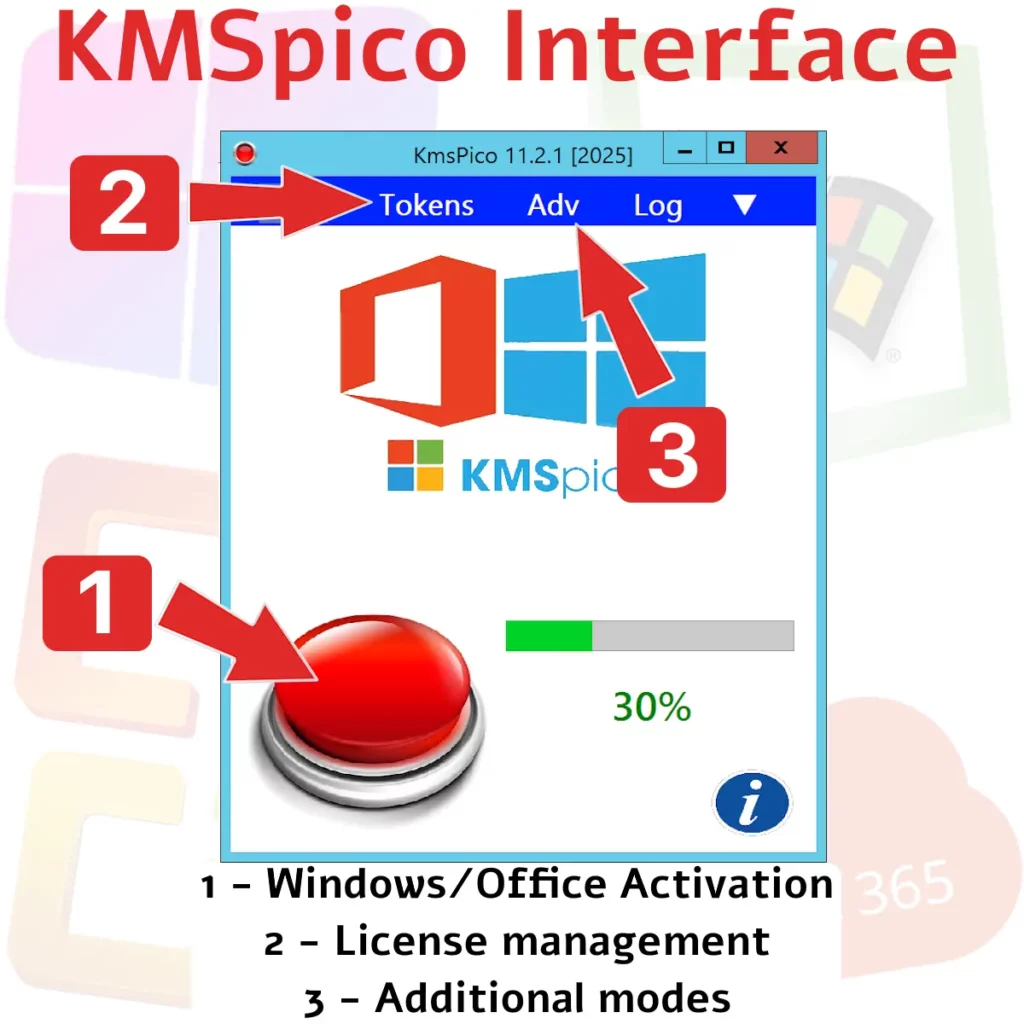
When it comes to activating your operating system, many users explore unofficial methods such as kmspico for windows 10. This software is known for facilitating activation without requiring a genuine Microsoft product key. However, understanding both the potential benefits and pitfalls of such tools is crucial for making informed decisions.
Understanding kmspico for Windows 10
kmspico for windows 10 is a popular activation tool designed to activate products like Microsoft Office and Windows without an official license key. It leverages the Key Management Service (KMS) activation, emulating a KMS server within your machine to trick the system into thinking it’s officially activated. The convenience offered by this software makes it extremely appealing to those who might not have access to official licenses or wish to avoid the costs associated with legitimate purchases.
This tool has gained significant traction among users who continually seek cost-effective solutions in managing their software needs. By simulating a KMS server, kmspico essentially bypasses normal activation protocols, which can be particularly attractive in environments where multiple installations are necessary but budgets are tight.
The Appeal of Using kmspico for Windows 10
The primary allure of kmspico for windows 10 lies in its ability to provide a “free” activation solution. Users are drawn to this tool because it eliminates the cost of purchasing legitimate software licenses. Furthermore, it is relatively easy to use, often requiring just a few clicks. This simplicity means even those with minimal technical expertise can employ it successfully, making it accessible to a broad audience.
Additionally, the immediate availability of kmspico ensures that users can quickly overcome any activation barriers they face, allowing them uninterrupted access to their software’s full functionality. This immediacy is particularly beneficial in situations where software is urgently needed but procurement processes are delayed or financially constrained.
Potential Risks and Downsides of kmspico for Windows 10
Despite its alluring benefits, using kmspico for windows 10 carries significant risks. Security concerns are paramount as downloading and running such tools can expose your system to malware or viruses. Additionally, legal implications must be considered as using unauthorized software activators violates Microsoft’s terms of service. These factors create a risky environment where short-term gains may lead to long-term problems.
The threat of malware cannot be overstated; malicious actors often exploit these kinds of tools to infiltrate systems under the guise of providing useful services. Once compromised, recovering from these attacks can be complex and costly, potentially outweighing any savings made by avoiding legitimate licensing fees.
Security Concerns with Activation Tools
Deploying tools like kmspico can compromise your system’s security integrity. Unauthorized software may contain malicious code capable of stealing sensitive data or damaging system files. Always consider these risks before proceeding with non-official activators.
Moreover, the use of such tools often leads to disabling antivirus programs or ignoring security warnings, which further increases vulnerability. Maintaining robust security protocols becomes challenging when circumventing standard procedures meant to protect user data and system integrity.
Legal Implications of Using kmspico
Using kmspico for windows 10 is legally questionable. It involves circumventing Microsoft’s licensing agreements, which could potentially lead to consequences such as fines or legal actions if discovered during audits or security checks. Organizations caught using unauthorized software risk reputational damage alongside financial penalties.
The legal framework surrounding software use is stringent to protect intellectual property rights and ensure fair market practices. By bypassing these regulations, users not only jeopardize themselves legally but also undermine ethical standards within the technology industry.
Alternatives to Unofficial Activation Solutions
- Purchase Official Licenses: The most straightforward method to ensure compliance is purchasing an official license from Microsoft. This guarantees support and regular updates while aligning with legal standards.
- Windows Trial Versions: Utilize trial periods offered by Microsoft to delay permanent purchases until financially feasible. This approach allows users time to budget appropriately while still having access to essential functionalities.
- KMS Activation via Company Servers: For businesses, activating through company-owned KMS servers provides a legal pathway similar in concept but compliant with terms of use.
These alternatives not only provide peace of mind regarding legality and security but also support continued innovation within the industry by upholding licensing standards that fund ongoing development efforts by companies like Microsoft.
The Role of Virtual Machines in Safe Testing
If you decide to test kmspico or any similar tool, conducting trials in a controlled virtual machine environment helps mitigate risk. Ensuring that the VM has just the necessary resources—like 2 vCPU and 4 GB RAM—can simulate different scenarios safely without affecting your main operating system.
This precautionary measure allows users to evaluate the tool’s effectiveness and potential side effects in isolation before deploying it on essential systems. By compartmentalizing testing environments this way, users can better manage risks associated with unverified software applications.
KMS Activation Process Explained
The KMS activation process works by establishing a local network service that automatically reactivates products every six months via connection checks. This approach was originally intended for enterprise environments, not personal users deploying tools like kmspico without consent.
KMS activation facilitates volume licensing management across large organizations efficiently; however, its misuse by individuals seeking free activation solutions disrupts intended operational frameworks designed for corporate settings rather than personal use cases.
